



Human Resources
—
8
min read


Give your people a voice with a tailored Xref Engage survey.
Increase retention and reduce turnover with quick employee feedback from an Xref Pulse Survey.
Hiring mistakes are not just inconvenient; they are catastrophically expensive. Industry research indicates that a single poor hire can cost your organisation between 30% to 150% of that employee's annual salary. For a mid-level position with a salary of A$85,000, that is potentially A$127,500 in direct costs.
Despite these significant financial implications, many organisations continue to make the same costly hiring mistakes, diminishing budgets and missing opportunities to secure top talent.
To help you transform your reference process, we have identified the seven most expensive errors when it comes to the hiring process.

Many companies overlook their alumni network, assuming that once an employee leaves, the relationship is over. This is a missed opportunity. "Boomerang employees" (those who return) demonstrate higher retention rates than new hires and require 50% less onboarding time.
Implement exit surveys and build alumni networks. By creating opt-in options for departing employees, you can maintain relationships and track interest in future opportunities. Research shows these employees achieve 25% higher productivity in their first 90 days. Ignoring this network means paying premium prices for external talent when ideal candidates already understand your culture.
Reference checks are vital, but conducting them manually is a significant resource drain. A typical organisation conducting 50 reference checks monthly invests approximately 200 hours in phone coordination and administrative tasks. This inefficiency costs roughly A$240,000 annually.
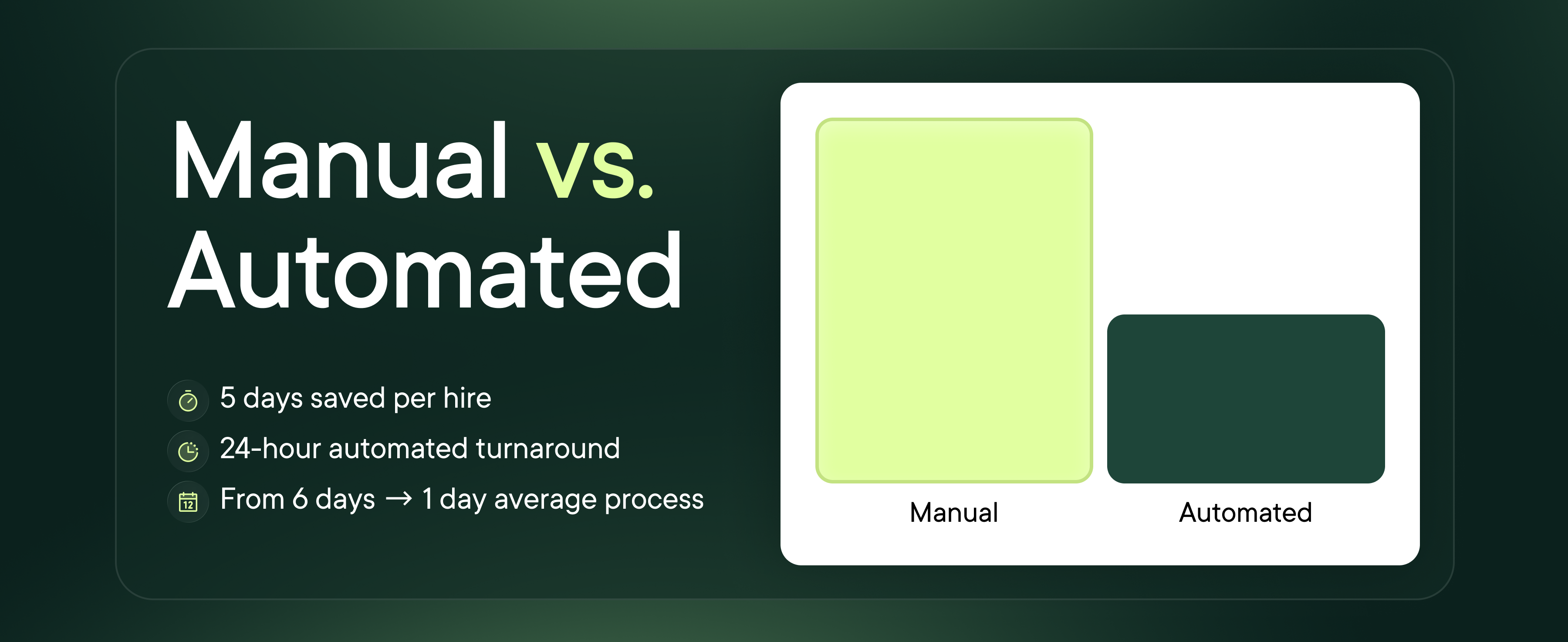
Switch to an automated platform that delivers results fast. Xref's platform provides a 24-hour average turnaround, receiving responses 5 times faster than manual methods. This saves an average of 5 days per hire and reduces administrative time by 85%, allowing your team to focus on strategic activities rather than chasing phone calls.
You might trust a candidate's resume, but reference fraud occurs more frequently than many organisations realise. Xref's platform data reveals over 7,000 cases of potential fraud detected within a single 12-month period.
Utilise AI-powered fraud detection. You need technology that monitors IP addresses to flag when references come from the same location as the candidate and analyses response patterns to identify suspicious language. Companies utilising this technology report 90% fewer problematic hires.
Many hiring decisions continue to rely on subjective impressions rather than objective data. This intuition-based approach leads to bias-driven decisions where personal preferences override qualifications.
Base your decisions on data using competency scoring and sentiment analysis. By using comparative analytics to benchmark candidates against role requirements , you ensure decisions are made on skill and ability rather than "gut feeling," reducing bias and improving cultural fit.
Process variation compromises quality. When different team members conduct references inconsistently, organisations experience compliance risks, unfair comparisons, and missed insights.
Use a Template Builder to ensure automated consistency. Xref allows you to use best-practice questions that are HR-approved and legally compliant. This ensures the same questions are asked every time, mitigating legal exposure and ensuring every candidate is assessed fairly against the same criteria.
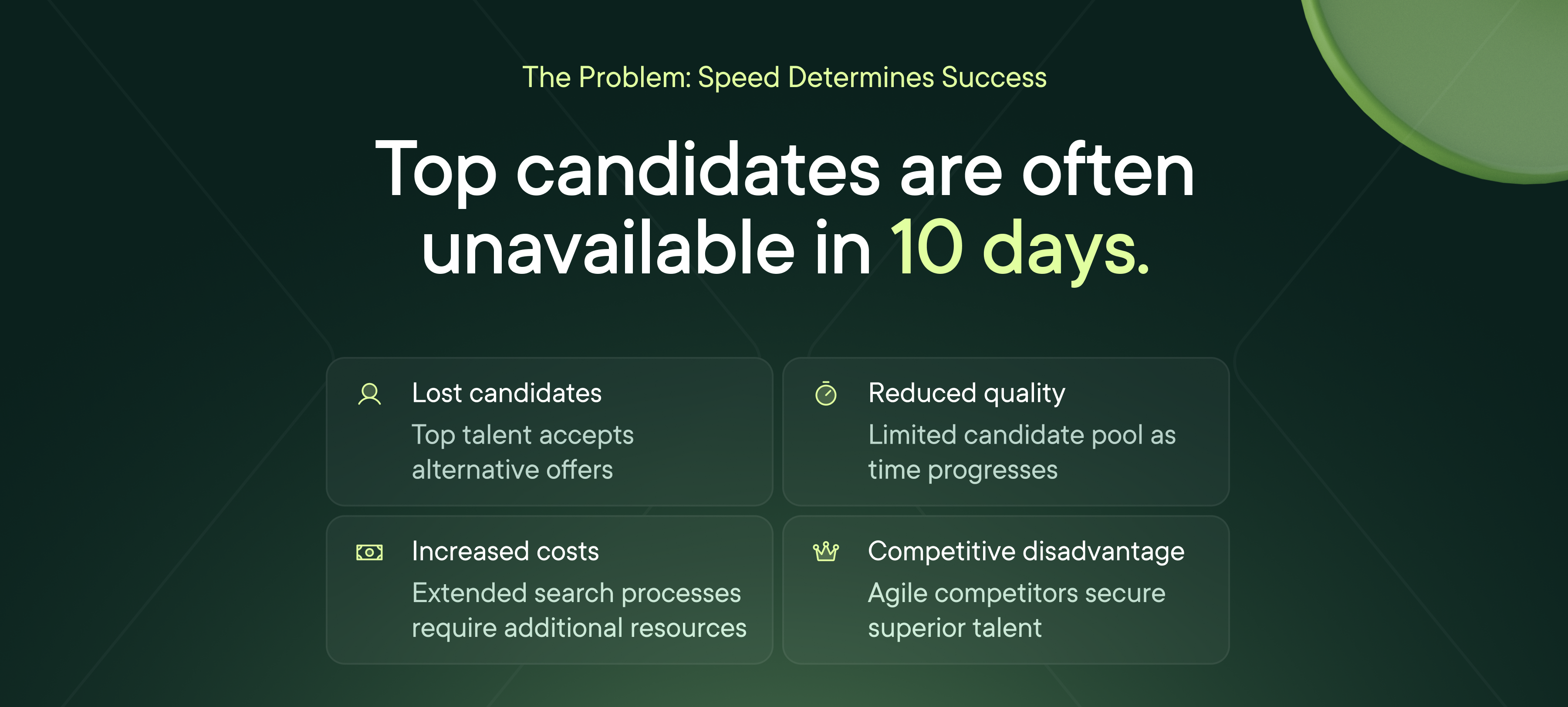
Speed determines success in today's talent market. The best candidates are typically unavailable within 10 days. Extended search processes not only increase costs but result in a limited candidate pool as time progresses.
Leverage rapid turnaround times. Xref's average response time is 18 hours, compared to 5 to 7 days for manual processes. This speed advantage is critical to securing superior talent before agile competitors do.
When employees leave, they take valuable insights with them. Without structured exit processes, organisations miss improvement opportunities and intelligence on future hiring strategies.
Deploy structured exit surveys to capture departure reasoning and cultural feedback. High-turnover industries lose an average of A$21,000 per departure in knowledge transfer and training costs. Understanding the real reasons people leave is crucial for reducing future turnover and building your talent pipeline.
Hiring is one of the most significant investments an organisation makes, but as these seven mistakes show, it is also where budgets are easily drained. By moving from manual, subjective processes to data-driven automation, you protect your bottom line and secure the right talent for the long term. Refining these strategies now will ensure greater organisational stability and financial performance.
To help you improve your retention data, Xref is offering unlimited free exit surveys until the end of February. This is a great opportunity to understand why staff depart and how to strengthen your workplace culture.
Uncover data-driven, actionable insights with automated reference, pulse and exit surveys.