



Human Resources
—
7
min read


Give your people a voice with a tailored Xref Engage survey.
Increase retention and reduce turnover with quick employee feedback from an Xref Pulse Survey.
Employee feedback is one of the most powerful tools an organisation has to understand what makes a workplace effective. Xref's 2024 Employee Voice Report, based on feedback compiled from more than 17,000 workers across Australian and New Zealand workplaces , captures what employees love about their jobs and, more importantly, what changes they would like to see.
A recurrent theme in our analysis is the need for improved Communication, which employees consistently identified as the biggest area for improvement in organisations. This finding clearly underscores that establishing a truly effective feedback loop is the number one challenge for many organisations.
The feedback loop frequently breaks down at the communication phase, particularly in hybrid and complex workplaces.The main issues reported by employees, with 28% of staff overall reporting challenges with efficient and effective information sharing:
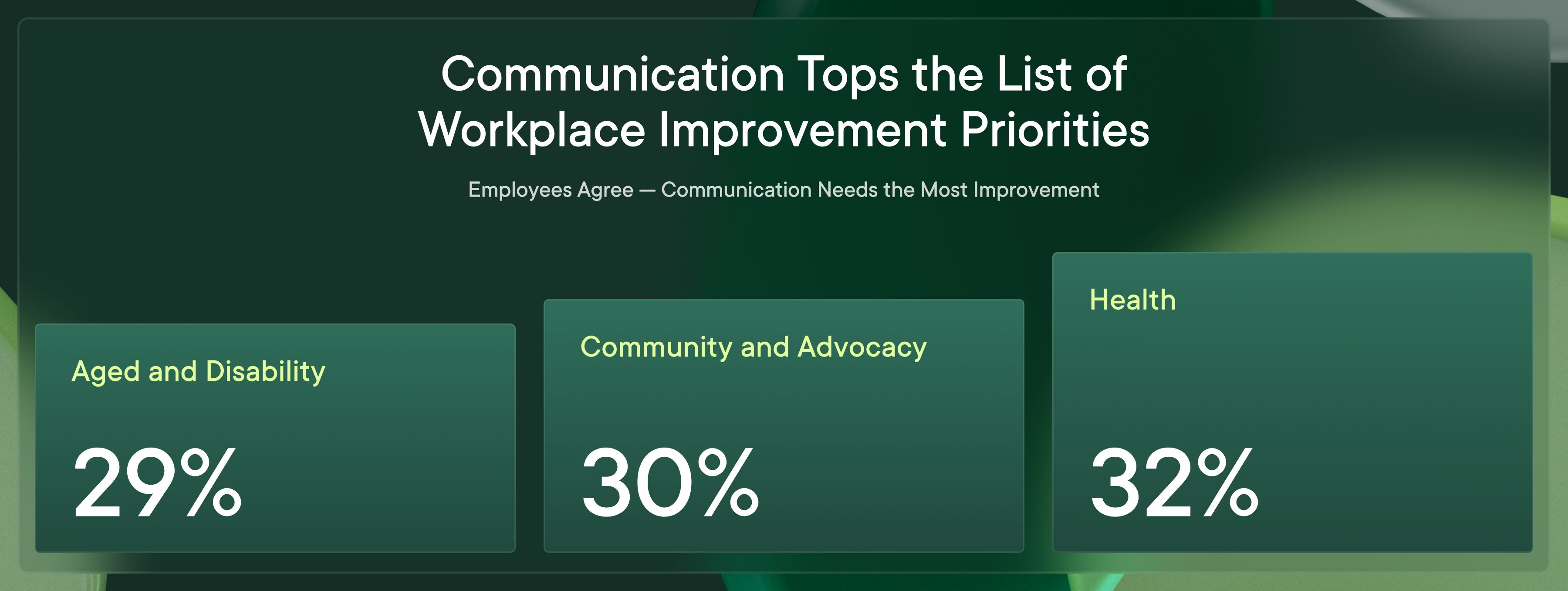
Communication was ranked consistently as the number one issue across most workforce demographic groups and types of organisations. For instance, a notable 32% of employees in the Health industry specifically highlighted communication as their biggest priority for improvement.
To move beyond simply collecting data to actually delivering change, focus on strategic communication and follow-through.
Prioritise Cross-Team Collaboration
Consult and Communicate Process
Address Resourcing and Workload
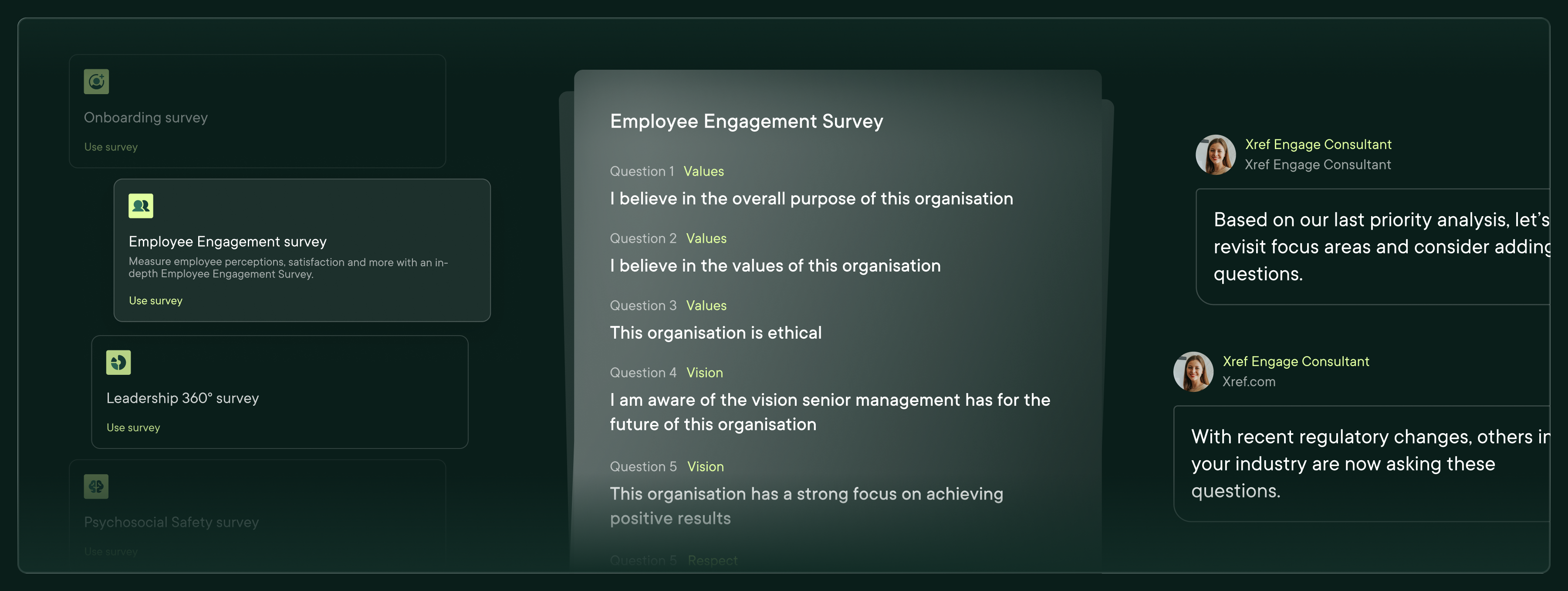
While in-depth Employee Engagement Surveys uncover clear data and insights for actionable results , shorter Pulse Surveys offer a rapid way to check and remeasure employee sentiment. This frequent, fast feedback is key for tracking organisational improvement over time. After implementing new protocols, a Pulse Survey can quickly check employee perception of its success, allowing for real-time adjustments.
Workplaces have significant strengths to build upon. The top strengths identified focused heavily on human connection and purpose:
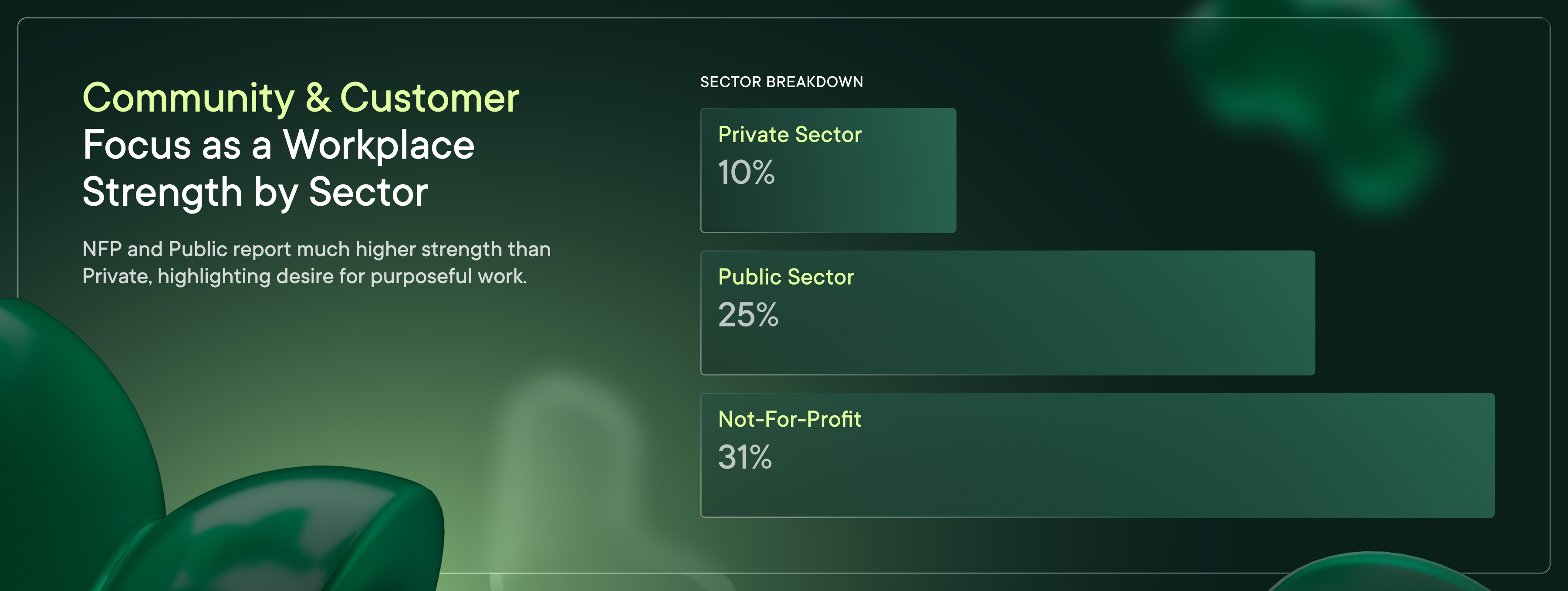
1. Community and Customer Focus: The top-ranked positive was purposeful and meaningful work, with 25% of workers feeling their company is committed to serving customers and the community. Employees were more likely to see this as a strength in Not-For-Profit organisations (31%) and the Public Sector (25%), compared to the Private Sector (10%).
2. Teamwork and Collaboration: This was the second biggest theme, with 24% of employees reporting their teams work together towards common goals and support each other.
3. Workplace Flexibility: 18% of employees highly value the hybrid work arrangements that support work-life balance. This appreciation for trust and respect is seen as a defining feature of their workplace culture.
By communicating and celebrating these existing strengths, organisations can build confidence and goodwill to tackle the more difficult area of improving overall communication. A feedback loop that starts with recognition and ends with clear action is one that employees will trust and actively participate in.
Ready to Close Your Communication Gap?
Request a free demo session to see the entire Xref Platform in action.
Uncover data-driven, actionable insights with automated reference, pulse and exit surveys.